IoT in Rail Systems
ENERGY AND CONSUMPTION SYSTEM FOR RAILWAY

Domestic production rate: %90

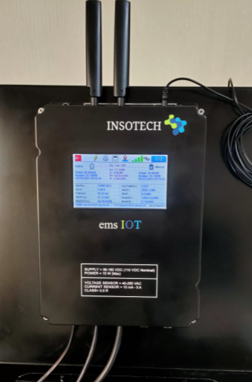
IoT Device in Railway

International standards:
EMS Specifications
Interfaces and Connections
- Ethernet
- Maintenance/Management port
- Wi-Fi 802.11 bgn connectivity – optional
- RS485
- 2-wire, 3kV galvanic isolated
- GPS/GNSS antenna port
- SMA connector, external antenna
- Cellular communication antenna port
- SMA connector, external antenna
- 2 digital outputs and 2 digital inputs – optional
- 2kV galvanic isolated
- EN 50155 compliant 36-160 VDC supply input
- Nominal 6W, maximum 15W energy consumption
- Monitoring and management with 5” touch TFT-LCD
- GPS/GNSS antenna port
Fiziksel Özellikler
- -30°C to +70°C operating temperature, -40°C to +85°C storage temperature
- IP54 aluminum case
- Sealed cover for connection terminals
- For protection of current and voltage sensor cables
- Anti-vibration system
EMF Specifications
Current and voltage sensor inputs
- 40-250 VAC voltage sensor input
- 10mA-5A Current sensor input
- 2kV galvanic isolation for sensor inputs
Measurement function
- 4-zone (quadrant) power and energy measurement
- Class: 0.5R according to EN50453
- Instantaneous measurement values:
- Current (A), voltage (V), power factor, frequency (Hz))
- Active power consumed (kW), active power produced (-kW), reactive (+/- kVAR), virtual power (kVA)
- Current/voltage total harmonic distortion (THD) and details up to the 21st harmonic
- Active energy consumed (kWh), active energy produced (-kWh), reactive energy (+/- kVARh), virtual energy (kVAh)
- Maximum and minimum values for current, voltage and power
DHS Specifications
Localization and time module
- Communication with GPS and GNSS supported satellites
- Instant monitoring of the following values:
- Date
- Hour
- Latitude
- Longitude
- Train speed
- Ability to transfer time information by communicating with the NTP server when the satellite connection is disconnected, or with TCMS (Train Control Management System) if connected, via MODBUS protocol
CEBD (Compressed Energy Billing Data) Archiving and encryption
- Adjustable TRP (Time Reference Period) for CEBD production
- Energy and instant information from EMF, conversion to CEBD file in XML format based on TRP time
- The generated CEBDs are encrypted (AES128, SHA256) and stored for sending to DCS
- CEBD archiving, 365 days, TRP: 5min. The method of deleting the oldest records by making FIFO at the end of the period
- Voltage, current, etc. in the catenary line. event log creation when values exceed preset maximum and minimum values)
- Settings are via local user or DCS authorized with password
- Recording of EMF and other system related alarms and events
- for at least 365 days
DCS Specifications
Secure communication with DCS
- IEC50463 compliant communication structure
- Communication with FTP Server and MQTT Broker with IEC50463 compliant devices
- CEBD Block, Reading Block and Heartbeat processing from EMS
- Writing EMS data to MS SQL database
- Integration into billing system with web service and direct access to SQL database
- Ability to communicate with unlimited number of EMS devices
- Data redundancy between servers